2
Attack Wei to save Zhao.
Interpretation:
Don't attack where they are fighting back.
Better attack where they give in.
Don't let your enemies unite
Better separate them.
Dealing with the enemy is like directing the movement of waters: when the enemy advances, divert his onslaught to the side; if the enemy is weak, fill the gaps in his defense.
Victory is brought by endurance and the absence of open confrontation.
Better attack where they give in.
Don't let your enemies unite
Better separate them.
Dealing with the enemy is like directing the movement of waters: when the enemy advances, divert his onslaught to the side; if the enemy is weak, fill the gaps in his defense.
Victory is brought by endurance and the absence of open confrontation.
Historical example:
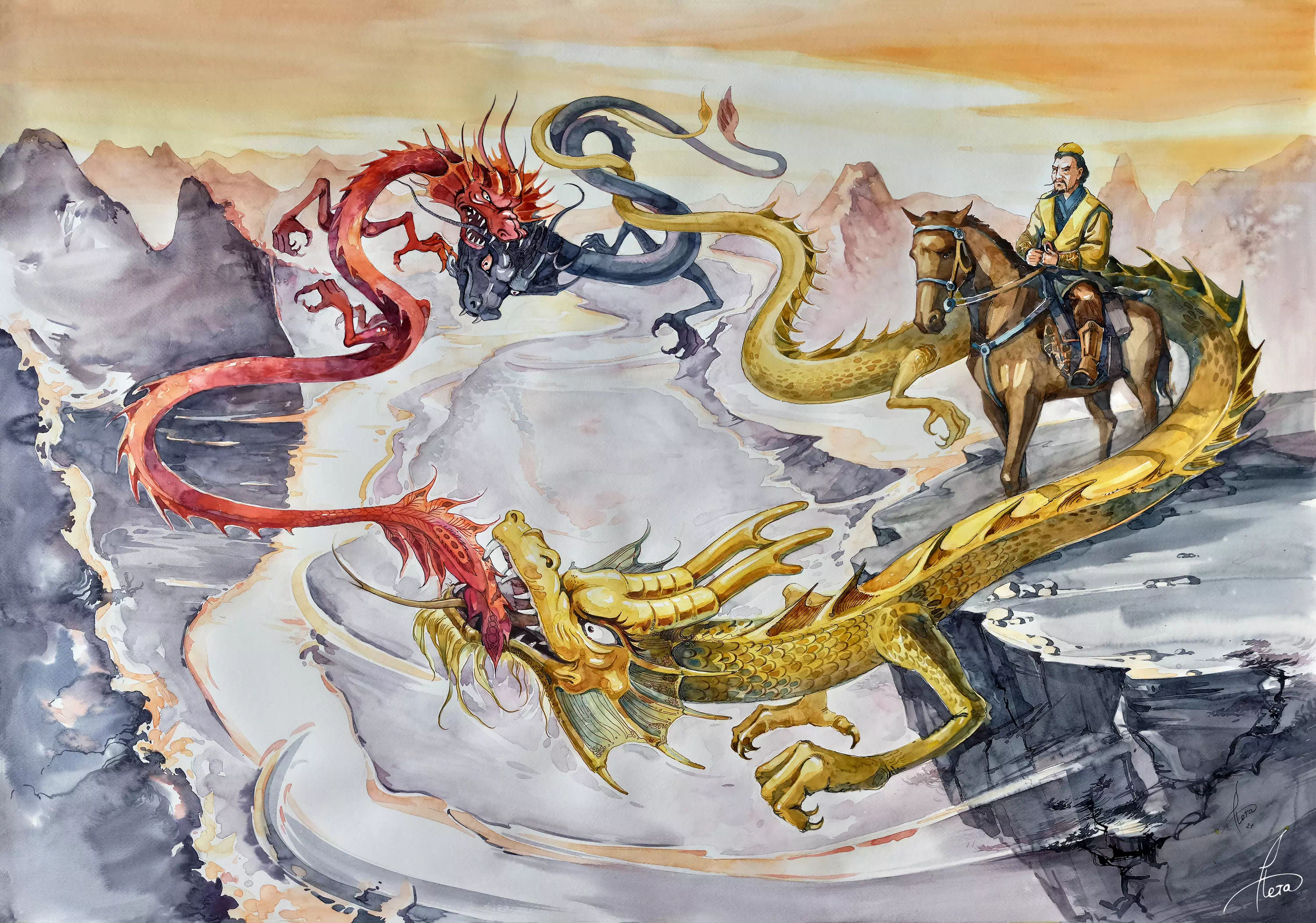
During the Warring States, various kingdoms often fought for power and supremacy. The Zha Kingdom was attacked by the Wei Kingdom. Then the ruler of Qi decided to come to his aid.
In such a situation, the famous strategist of antiquity gave advice to General Tian Ji, who commanded the army. The strategist said: “To untie a knot, you should not pull the rope too hard. When you need to besiege a fortress, it is better to avoid confrontation with a strong enemy and head to places where there is no enemy. Since the main Wei warriors are now in Zhao territory, I propose to lay siege to the Wei capital, then the Wei troops will return to defend their land.”
Tian Ji considered the proposal and decided to follow it. The Qi army took advantageous positions in the path of the Wei army and easily defeated the Wei soldiers, tired from the long march, although their numbers were significant. The Wei army was forced to retreat, and the Zhao kingdom was saved.
These strategic tactics showed that sometimes the best way to achieve a goal is not direct confrontation, but the skillful use of tactics and strategy.
In such a situation, the famous strategist of antiquity gave advice to General Tian Ji, who commanded the army. The strategist said: “To untie a knot, you should not pull the rope too hard. When you need to besiege a fortress, it is better to avoid confrontation with a strong enemy and head to places where there is no enemy. Since the main Wei warriors are now in Zhao territory, I propose to lay siege to the Wei capital, then the Wei troops will return to defend their land.”
Tian Ji considered the proposal and decided to follow it. The Qi army took advantageous positions in the path of the Wei army and easily defeated the Wei soldiers, tired from the long march, although their numbers were significant. The Wei army was forced to retreat, and the Zhao kingdom was saved.
These strategic tactics showed that sometimes the best way to achieve a goal is not direct confrontation, but the skillful use of tactics and strategy.